- Home
- About Us
- EMR Features
-
-
- EMR Features
-
- Patient Health Features
-
- Clinic Features
-
-
- Specialties
-
- Blog
- Contact Us
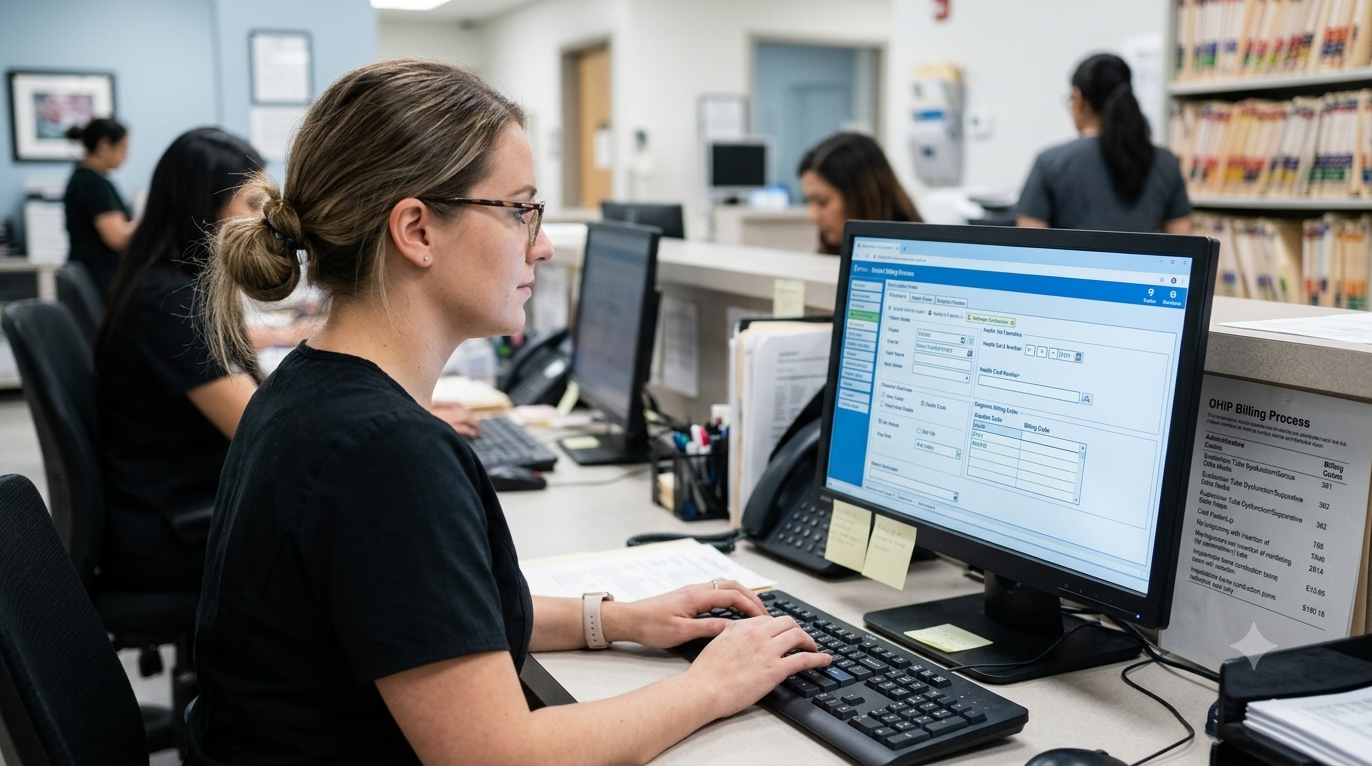
Accurate medical billing is essential for every healthcare practice in Ontario. From submitting claims to tracking payments, even small billing errors can create unnecessary administrative work and delay reimbursements.
As clinics continue to adopt digital healthcare solutions, choosing the right OHIP billing software has become just as important as selecting the right EMR. The ideal solution should do more than process claims, it should simplify daily operations, reduce manual work, and support the entire billing workflow.
If you’re evaluating billing software for your clinic, here are the features that matter most.
The primary purpose of any OHIP billing solution is to simplify the claims process.
A modern platform should allow clinics to prepare, review, and submit claims efficiently while reducing duplicate data entry. Integrating billing directly with patient records helps eliminate manual work and improves the accuracy of submitted information.
When documentation and billing work together, administrative teams spend less time correcting errors and more time supporting clinic operations.
Electronic claim submission has become a standard part of healthcare billing in Ontario.
Software that supports MCEDT integration allows clinics to securely submit claims electronically and receive responses more efficiently. This improves billing workflows while reducing the need for manual processing.
Integrated claim management also helps administrative teams identify rejected or pending claims earlier, allowing issues to be resolved more quickly.
Billing should never operate as a separate system.
The best OHIP billing software connects directly with your EMR so that patient information, clinical documentation, and billing data remain synchronized.
This reduces repetitive administrative tasks while improving consistency across the entire practice.
For busy clinics, integrated workflows often save hours of administrative work every week.
Billing mistakes can happen for many reasons, including missing information, incorrect billing codes, or incomplete documentation.
Modern software should help identify potential issues before claims are submitted.
Built-in validation tools reduce avoidable errors, helping clinics improve claim acceptance rates while minimizing time spent on corrections.
Billing begins long before a claim is submitted.
Accurate appointment information helps ensure that clinical documentation and billing records remain aligned throughout the patient visit.
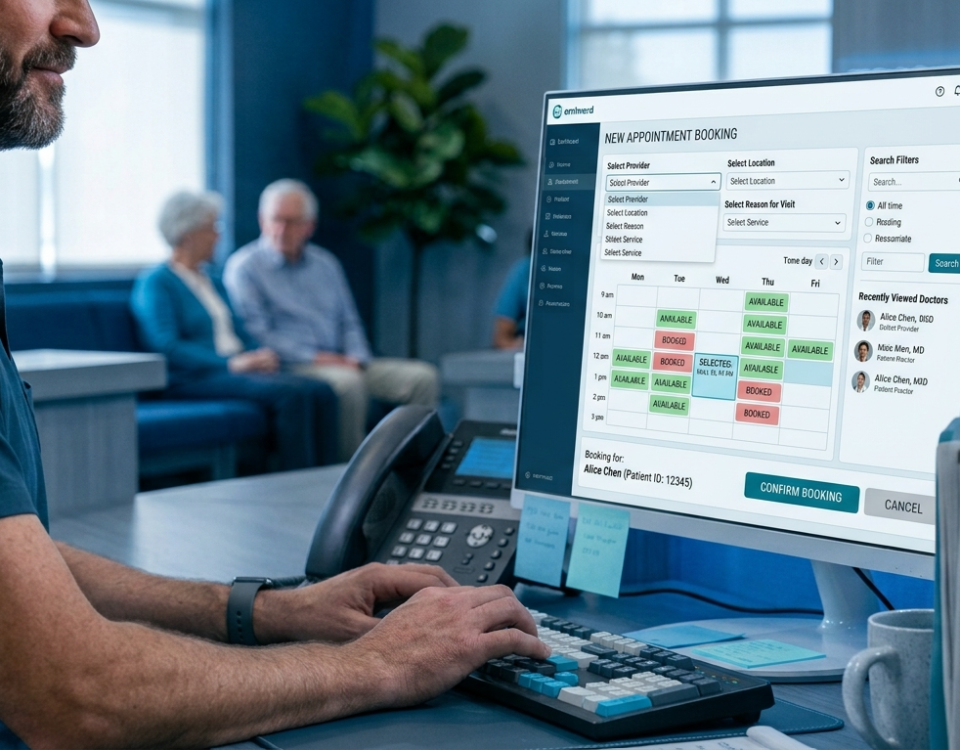
Solutions that integrate with patient scheduling software create smoother workflows by connecting appointments, documentation, and billing within a single platform.
This not only improves efficiency but also reduces opportunities for administrative mistakes.
Understanding clinic performance requires more than viewing submitted claims.
Good billing software should provide reports that help clinics monitor claim status, payment trends, outstanding balances, and billing activity over time.
These insights allow practice managers to identify operational improvements while making more informed business decisions.
Healthcare organizations manage highly sensitive patient information every day.
Any billing platform should include strong security measures that protect patient data while supporting healthcare privacy requirements.
Clinics should also consider solutions that integrate with PHIPA-compliant EMR platforms to create a secure and connected digital healthcare environment.
Many Ontario clinics are moving toward cloud-based healthcare systems because they offer greater flexibility and simplified system management.
Cloud billing solutions allow authorized staff to access information securely from different locations while benefiting from automatic software updates and reliable data backups.
For growing practices, cloud technology provides greater scalability without increasing IT complexity.
The most powerful software is only valuable if staff enjoy using it.
An intuitive interface reduces training time, improves productivity, and helps new employees become comfortable with the system more quickly.
Simple navigation and efficient workflows often have a greater impact on clinic productivity than long lists of advanced features.
Alembico combines powerful billing capabilities with a fully integrated EMR platform designed specifically for Ontario healthcare providers. Rather than treating billing as a separate administrative task, Alembico connects patient records, appointment scheduling, clinical documentation, and billing workflows into one seamless system.
As an OntarioMD Certified EMR, Alembico provides clinics with added confidence that the platform meets recognized provincial standards while supporting the operational needs of modern healthcare practices. Integrated MCEDT functionality, secure cloud infrastructure, intuitive workflows, and comprehensive practice management tools help clinics improve billing accuracy, reduce administrative workload, and spend more time focusing on patient care.
Whether you’re a family practice, specialty clinic, or multidisciplinary healthcare organization, Alembico delivers a solution that supports both clinical excellence and efficient OHIP billing.
Tags: EMR software, Ohip Billing Software, OHIP medical billing, OHIP Ontario