- Home
- About Us
- EMR Features
-
-
- EMR Features
-
- Patient Health Features
-
- Clinic Features
-
-
- Specialties
-
- Blog
- Contact Us
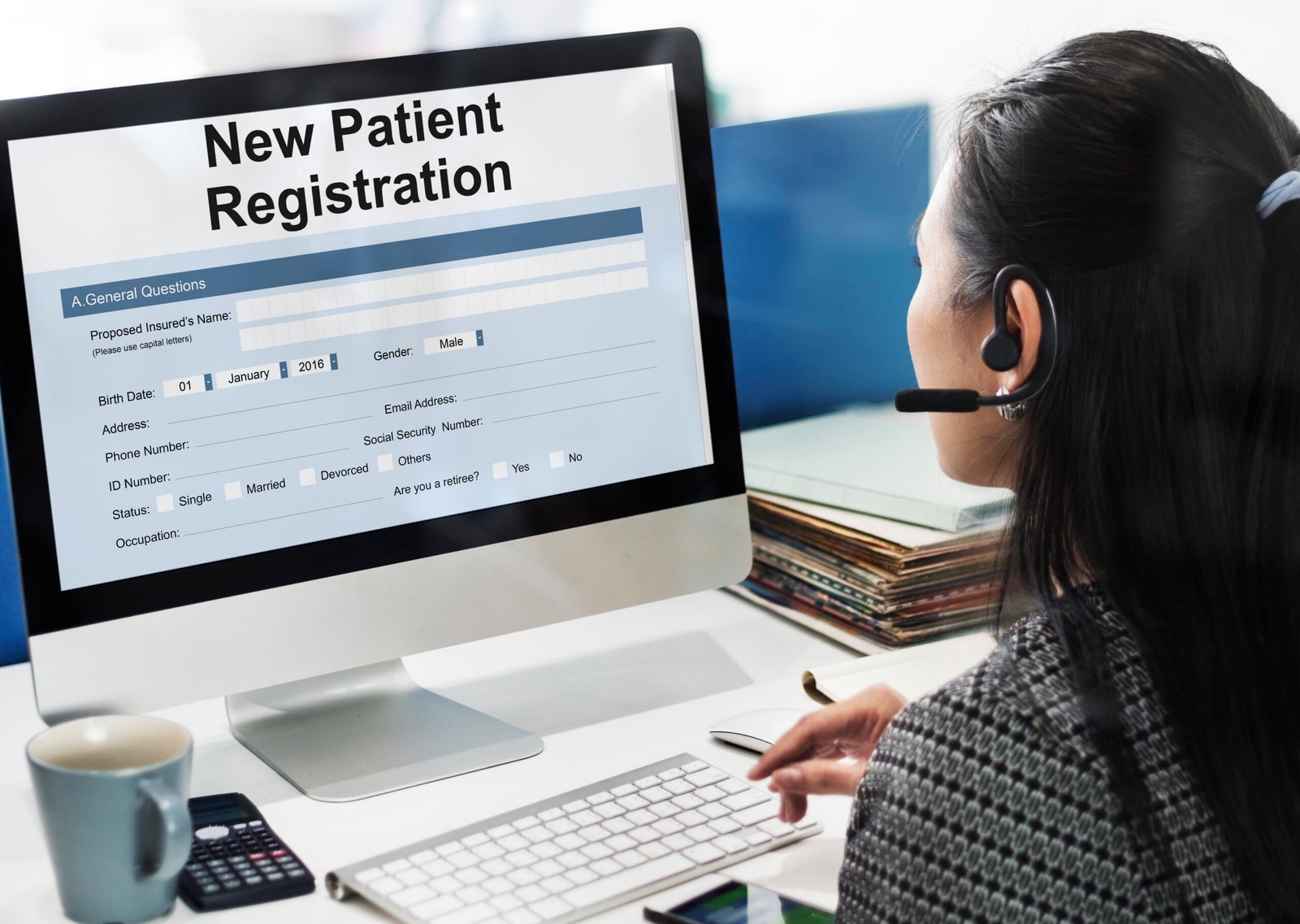
Healthcare in Ontario is evolving beyond treating illnesses as they arise. Clinics are increasingly focused on preventive care and the long-term management of chronic diseases to improve patient outcomes and reduce unnecessary healthcare costs. While these initiatives depend on strong clinical workflows, they also require accurate documentation, timely follow-ups, and efficient billing processes.
This is where OHIP billing software becomes more than just a tool for submitting claims. When integrated with a modern EMR, it helps Ontario clinics streamline preventive care programs, support chronic disease management, and reduce administrative burden—all while maintaining accurate OHIP billing.
Preventive care focuses on identifying health risks early and helping patients stay healthy through routine screenings, vaccinations, health assessments, and follow-up care. These services are essential for improving patient outcomes and reducing avoidable hospital visits.
For clinics, preventive care also means managing recurring appointments, documenting patient progress, and ensuring eligible services are billed correctly. Without the right systems in place, these routine tasks can become time-consuming and increase the risk of missed opportunities.
Ontario clinics care for an increasing number of patients living with chronic conditions such as diabetes, hypertension, cardiovascular disease, asthma, and chronic kidney disease. Managing these patients involves much more than occasional consultations.
Clinics must:
Managing these activities manually can overwhelm administrative staff and clinicians, especially in busy practices.
Modern OHIP billing software is most effective when integrated with a cloud-based EMR, allowing clinical and administrative workflows to operate together.
Complete and organized documentation helps ensure patient encounters are properly recorded while supporting accurate OHIP claim submissions. Digital documentation also gives providers immediate access to a patient’s medical history, making it easier to deliver consistent care over time.
Routine health assessments, immunizations, and preventive screenings often require recurring appointments and detailed records. Integrated workflows help clinics schedule follow-ups, maintain patient records, and manage billing without switching between multiple systems.
Patients with chronic illnesses require continuous monitoring. Integrated software enables clinics to maintain treatment histories, monitor progress, review laboratory results, and document changes throughout the patient’s care journey.
This allows healthcare providers to make informed decisions while reducing administrative effort.
Manual billing, paper records, and disconnected software create unnecessary work for clinic staff. Integrated OHIP billing software helps reduce duplicate data entry by connecting scheduling, documentation, billing, and reporting within a single platform.
The result is more time spent on patient care and less time on administrative tasks.
Accurate documentation supports more efficient billing workflows. When patient information, appointment details, and clinical notes are available within one system, clinics can minimize missing information and reduce the likelihood of billing errors or claim rework.
Effective preventive care extends beyond billing. A modern clinical management software platform helps healthcare providers organize the entire patient journey.
Features such as appointment scheduling, secure messaging, referrals, reporting, digital forms, and prescription management work together to improve continuity of care while supporting day-to-day clinic operations.
For Ontario clinics, having billing and clinical workflows connected creates a more efficient experience for both staff and patients.
Choosing a reliable clinic management software solution in Ontario gives practices the flexibility to manage patient information securely while supporting modern healthcare delivery.
Cloud-based platforms allow providers to:
These capabilities become increasingly valuable as clinics manage growing patient volumes and more complex care plans.
Not every billing solution provides the same level of integration. Ontario clinics should look for software that combines billing with the clinical tools needed to support preventive care and chronic disease management.
Key features include:
An integrated approach reduces administrative complexity while helping clinics deliver more coordinated patient care.
Alembico EMR is an OntarioMD Certified EMR designed to help Ontario clinics streamline patient care and administrative workflows. With integrated OHIP billing software, appointment scheduling, AI-powered documentation, referrals, reporting, preventive care, and chronic disease management tools, clinics can manage everyday operations from one secure cloud-based platform.
Whether you’re modernizing your billing process or improving long-term patient care, Alembico EMR provides the flexibility and efficiency Ontario clinics need to deliver better healthcare.
Tags: Clinic Management Software, Cloud Based EMR, EMR software, Ohip Billing Software