- Home
- About Us
- EMR Features
-
-
- EMR Features
-
- Patient Health Features
-
- Clinic Features
-
-
- Specialties
-
- Blog
- Contact Us
Clinical documentation is an essential part of every patient encounter, but it can also take up a significant amount of a healthcare provider’s time. From recording patient information to organizing notes and maintaining accurate records, documentation can add considerable administrative work to a busy clinic.
With the growing adoption of artificial intelligence in healthcare, AI medical documentation is helping clinics simplify these processes. When integrated with a modern EMR, AI-powered documentation can also support more efficient billing workflows while allowing providers to spend more time focused on patient care.
Healthcare providers need to maintain accurate and complete clinical records for every patient encounter. However, documenting each visit can extend beyond the time spent with the patient.
Providers may need to:
For busy Ontario clinics, these repetitive tasks can contribute to administrative workload and reduce the time available for patient care.
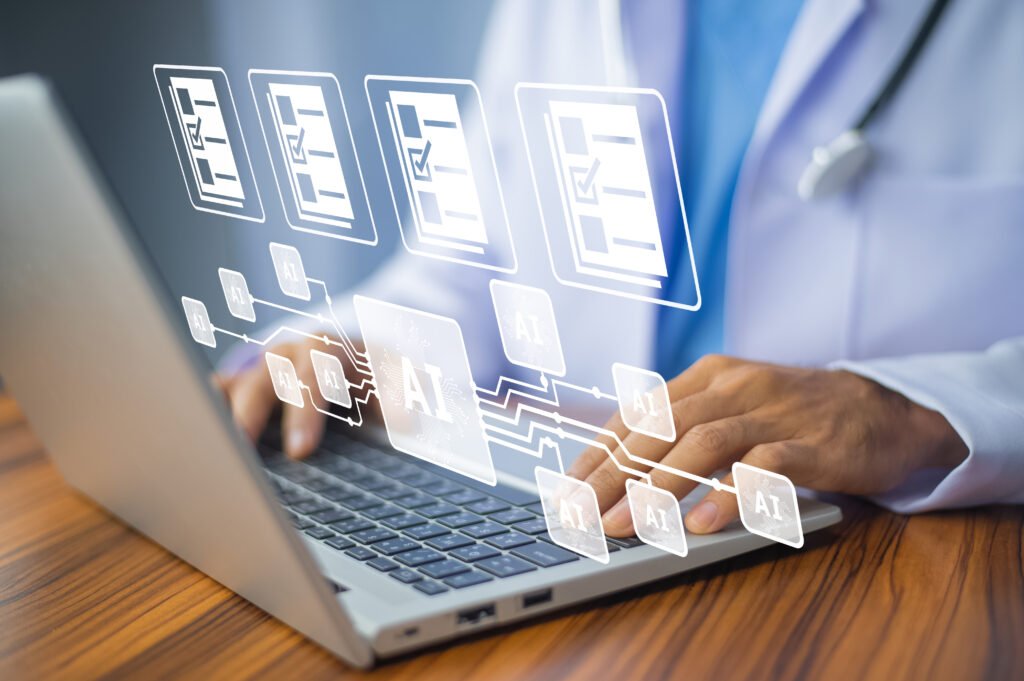
AI-powered documentation is becoming an important component of modern medical EMR systems. Instead of relying entirely on manual processes, AI tools can help organize and structure clinical information within the EMR workflow.
The goal isn’t to replace healthcare professionals. Rather, AI can assist with documentation so providers can spend less time on repetitive administrative tasks.
A modern EMR can bring documentation together with other workflows such as scheduling, patient records, referrals, prescriptions, reporting, and billing.
Accurate documentation plays an important role in efficient billing. When clinical information is incomplete, difficult to locate, or entered across different systems, administrative teams may spend additional time reviewing and correcting information.
An integrated EMR can connect clinical documentation with billing workflows, helping clinics reduce unnecessary duplication.
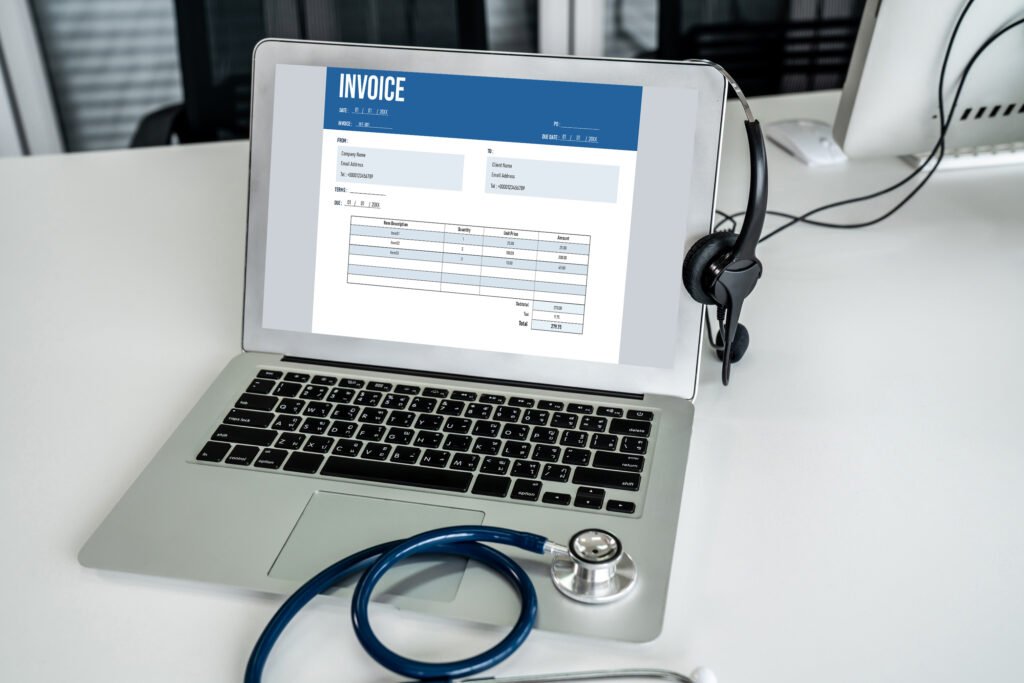
With OHIP billing software integrated into the broader EMR environment, information captured during a patient encounter can support downstream administrative processes.
This can help clinics:
AI can help reduce the amount of manual effort required to organize clinical information. This allows providers to spend more time interacting with patients instead of completing repetitive documentation tasks.
When documentation is organized within the EMR, authorized users can access relevant patient information more efficiently.
Connecting documentation with scheduling, billing, referrals, and other workflows reduces the need to move information between separate systems.
Clear and organized clinical documentation can support billing workflows by making relevant encounter information easier to review and manage.
Reducing repetitive documentation tasks can help clinics improve overall operational efficiency without requiring staff to manage multiple disconnected systems.
As healthcare technology continues to evolve, EMR software Ontario providers are increasingly incorporating automation and AI into clinical workflows.
However, clinics should look beyond individual AI features when evaluating technology. The greatest value comes when AI works as part of a broader platform that connects clinical and administrative processes.
For example, an integrated EMR can connect:
Patient Visit → AI Documentation → Patient Record → Billing → Reporting
This connected approach can help reduce workflow gaps while supporting more efficient clinic operations.
When evaluating EMR systems in Ontario, clinics should consider whether the platform supports both current needs and future technology adoption.
Important capabilities can include:
A platform that brings these capabilities together can provide a more efficient environment for both providers and administrative teams.
AI documentation becomes even more valuable when it is part of a comprehensive clinic management software solution.
Instead of using separate tools for documentation, scheduling, billing, and reporting, clinics can manage these workflows through a connected platform.
This can help reduce administrative complexity and create a smoother experience for healthcare providers, staff, and patients.
AI can offer significant benefits, but clinics should evaluate how the technology fits into their existing workflows.
Consider:
The right solution should make clinical workflows simpler, not create another disconnected tool for providers to manage.
Alembico EMR is an OntarioMD Certified EMR designed for Ontario clinics, combining AI-powered documentation with clinical and administrative workflows.
This medical EMR system brings documentation, patient records, scheduling, OHIP billing, referrals, reporting, digital forms, and other essential tools together in one secure cloud-based EMR.
For Ontario clinics looking to reduce documentation workload while improving billing and overall workflow efficiency, Alembico provides an integrated solution built around modern clinical needs.
Tags: AI Powered EMR, Clinic Management Software, EMR Software in Ontario, medical EMR systems