- Home
- About Us
- EMR Features
-
-
- EMR Features
-
- Patient Health Features
-
- Clinic Features
-
-
- Specialties
-
- Blog
- Contact Us
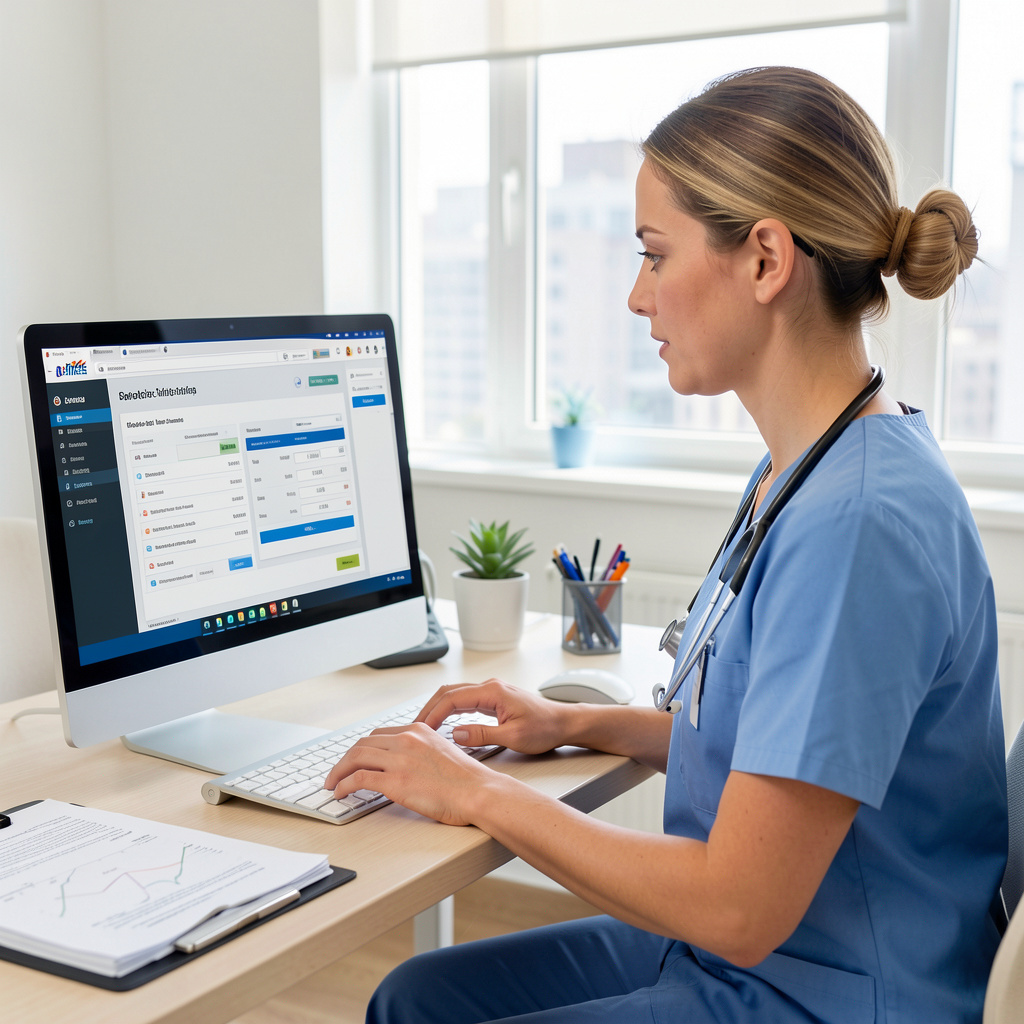
Clinic systems can either simplify operations or quietly create friction. In 2026, web based EMR software is expected to function as a connected operational core that supports clinical care, administrative coordination, and OHIP billing within a single digital framework. Ontario clinics are no longer evaluating software based only on charting features. They are assessing whether the platform can sustain reliability, streamline workflows, and maintain regulatory alignment under daily operational pressure.
As expectations increase, Web-based EMR software must deliver dependable cloud access, unified scheduling and billing integration, structured documentation tools, and secure role-based controls. When paired with Web-based medical billing software, the system should create a seamless link between clinical encounters and OHIP claim submission. The following sections outline the key capabilities clinics should expect in 2026 and explain why each feature is central to building a stable, scalable digital foundation.
1. What makes Web-based EMR Software different from traditional EMR systems?
Web-based EMR software runs on secure cloud infrastructure, enabling real-time access, automatic updates, and integrated Web-based medical billing, without relying on on-site servers.
2. How does Web-Based Medical Billing Software improve OHIP billing accuracy?
Web-based medical billing software connects directly to clinical documentation, aligning visit types and billing codes to reduce claim inconsistencies and improve tracking efficiency in Ontario clinics.
Web-based EMR software in 2026 must provide secure cloud access, consistent uptime, and real-time synchronization. Clinics require dependable access to charts, appointment data, and billing records without reliance on local servers or manual updates.
System reliability supports continuity of care and ensures that Web-based medical billing software processes remain aligned with clinical documentation. Automatic updates, encrypted backups, and secure hosting environments are operational requirements for Ontario clinics managing electronic medical records and OHIP submissions.
To learn more about how cloud-based EMR software helps clinics, read our blog here.
Disconnected tools slow clinics down. Web-based EMR software should unify charting, appointment scheduling, and Web-based medical billing within a single platform.
Integrated workflows allow clinical documentation to flow directly into billing queues. Visit types, procedure codes, and physician notes align seamlessly with OHIP billing logic. This integration reduces duplicate data entry and minimizes administrative gaps while maintaining structured in-house billing controls aligned with Ontario regulations.
In 2026, web-based EMR software must support structured templates, customizable encounter forms, and intelligent prompts based on visit type. Clinics benefit from standardized documentation that improves clarity and reduces omissions.
Smart visit management tools connect appointment categories with billing codes inside web-based medical billing Software. When documentation and billing logic operate in sync, clinics experience fewer claim discrepancies and improved reporting accuracy without increasing administrative workload.
Modern web-based EMR software should provide role-based permissions that align with clinic hierarchies. Physicians, administrators, and billing teams require distinct access levels and reporting capabilities.
Dashboards that display appointment flow, billing status, and productivity metrics allow leadership to monitor operations with clarity. Integrated web-based medical billing software ensures that claim tracking and remittance reconciliation remain visible within the same environment as clinical data, strengthening cross-team coordination.
Clinics in Ontario operate within strict provincial regulatory frameworks. Web-based EMR software must support data encryption, audit logs, and structured compliance controls aligned with Ontario standards.
Scalability also defines future-ready systems. Whether expanding services or onboarding additional providers, the platform should accommodate growth without disrupting Web-based medical billing software processes. Secure cloud infrastructure, routine compliance updates, and system flexibility characterize a sustainable digital solution for 2026 and beyond.
Web-based EMR software in 2026 must deliver more than digital charting. It should integrate clinical documentation, scheduling, and Web-Based medical billing software into a cohesive operational framework designed for Ontario clinics managing OHIP workflows.
Alembico EMR provides web-based medical billing software built specifically for Ontario practices. Clinics seeking structured in-house OHIP billing, operational visibility, and regulatory alignment can schedule a demo with Alembico EMR to review how a unified system supports long-term stability and performance. Contact us today.
Tags: medical billing software in Ontario, Web based EMR software, Web based medical billing software