- Home
- About Us
- EMR Features
-
-
- EMR Features
-
- Patient Health Features
-
- Clinic Features
-
-
- Specialties
-
- Blog
- Contact Us
Healthcare funding in Ontario depends heavily on the submission of structured, accurate claims. OHIP billing in Ontario has evolved significantly over the past decades, moving from paper-driven processes to fully integrated digital systems. What once required manual calculations, printed forms, and mailed submissions now operates within secure electronic environments.
This transformation has reshaped how clinics manage administrative workflows. OHIP Billing today is closely tied to electronic documentation, compliance tracking, and internal reporting. As regulations and submission standards continue to develop, clinics rely on technology to maintain accuracy, transparency, and financial stability. Understanding this evolution helps clarify where billing processes stand today and where they are heading.
In the early stages of OHIP billing, clinics relied on handwritten claim forms and manual coding. Staff reviewed documentation, completed paper submissions, and mailed claims to the Ministry of Health.
These processes often resulted in delayed reimbursements and higher error rates. Manual data entry increased the likelihood of incomplete codes or missing information. Tracking claim status requires follow-up calls or correspondence, limiting visibility into payment timelines.
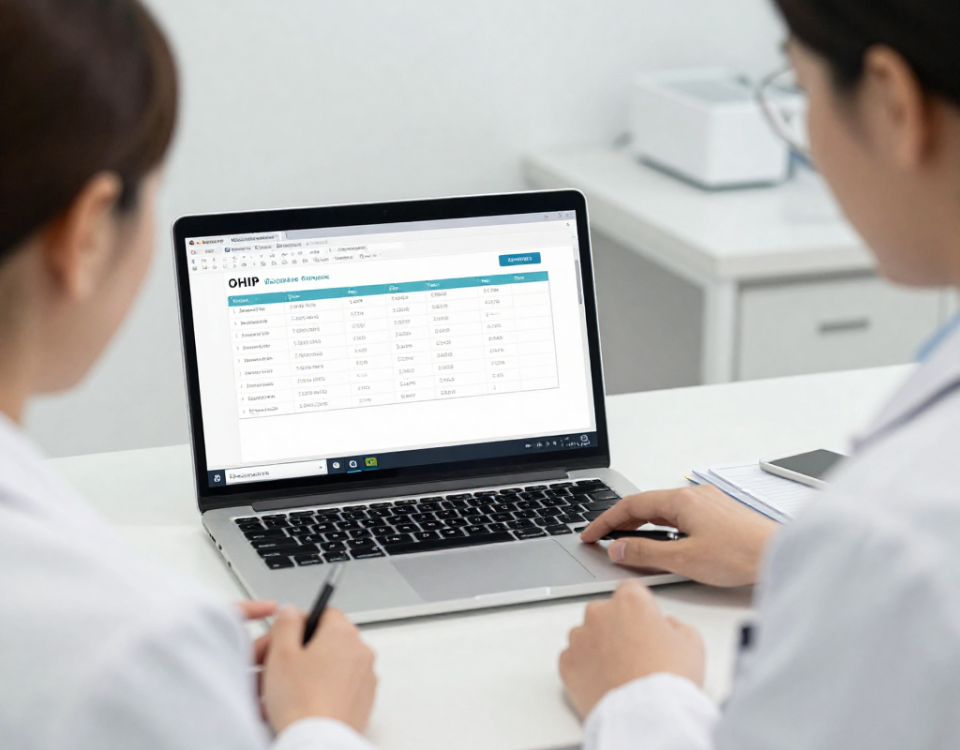
As healthcare technology advanced, electronic submission systems replaced paper-based workflows. Clinics began adopting software that allowed digital claim entry and direct transmission to the Ministry of Health.
This shift reduced processing times and improved tracking capabilities. Digital OHIP billing systems introduced structured validation checks that minimized common coding errors. Clinics achieved improved accuracy while reducing the administrative burden of paper documentation.
Also read: 7 Things Every New Ontario Physician Should Know About OHIP Medical Billing
The integration of electronic medical record systems marked a major milestone in the evolution of OHIP billing. Instead of separating documentation and billing, clinics began linking clinical notes directly to claim submission workflows.
This alignment strengthened data consistency. Visit documentation supported appropriate code selection, reducing discrepancies between clinical records and billing submissions. Integrated systems also improved claim history tracking and remittance reconciliation within a single platform.
Modern OHIP billing processes rely heavily on automation. Structured templates and system prompts assist with accurate code selection based on visit types. Automated claim validation tools flag inconsistencies before submission.
Workflow alignment ensures that documentation completion triggers billing readiness. Clinics experience fewer rejected claims when clinical and administrative processes operate in sync. Automation supports consistency while preserving in-house control over billing management.
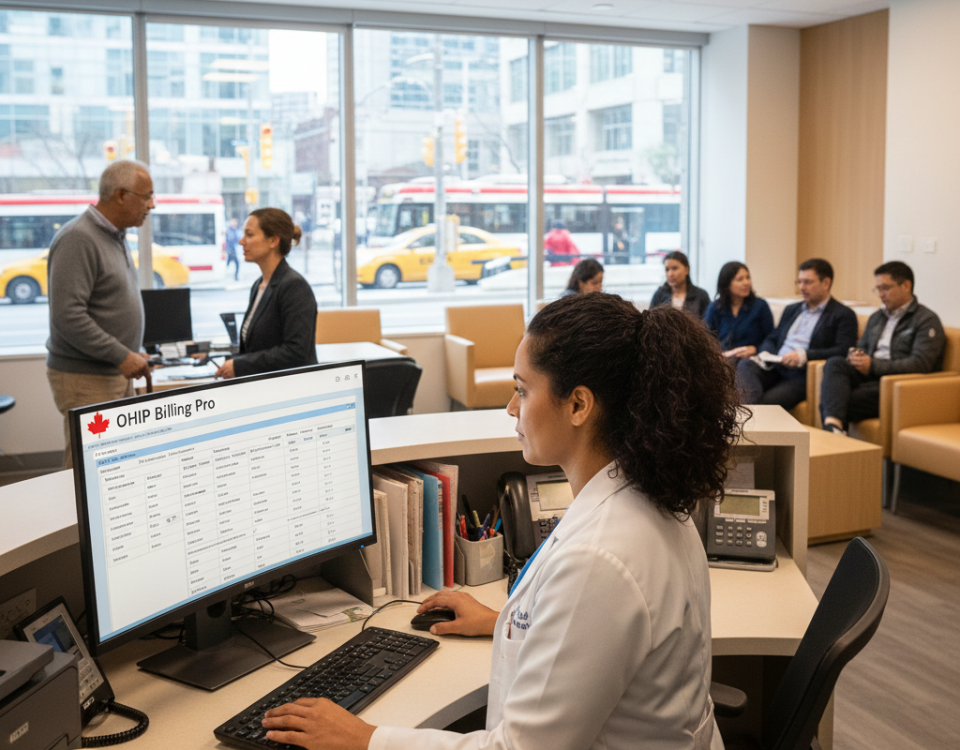
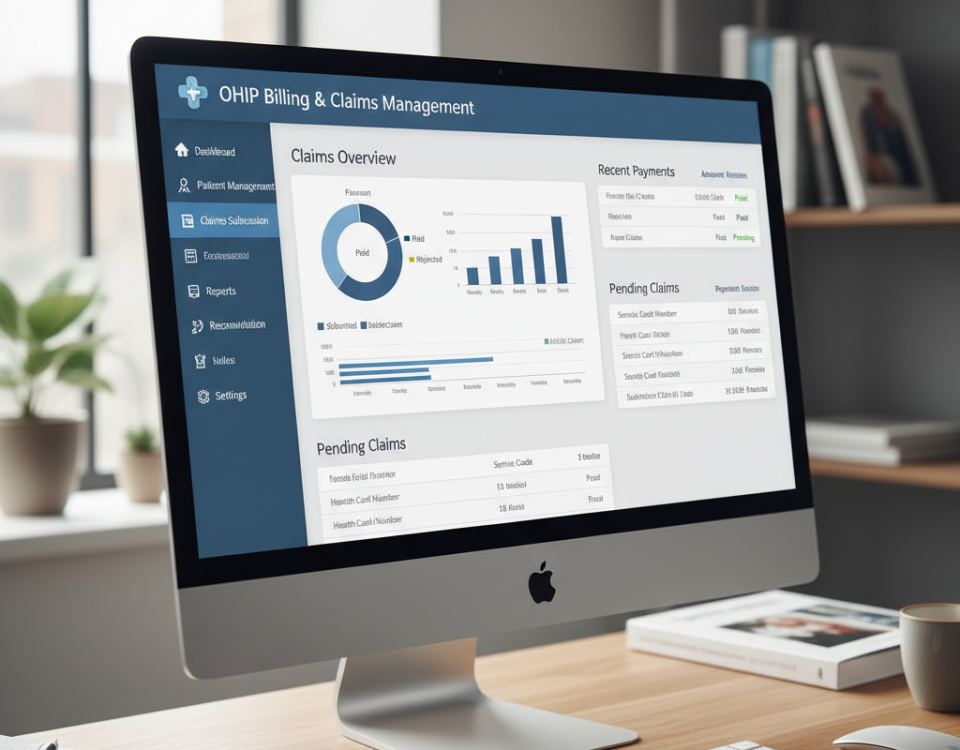
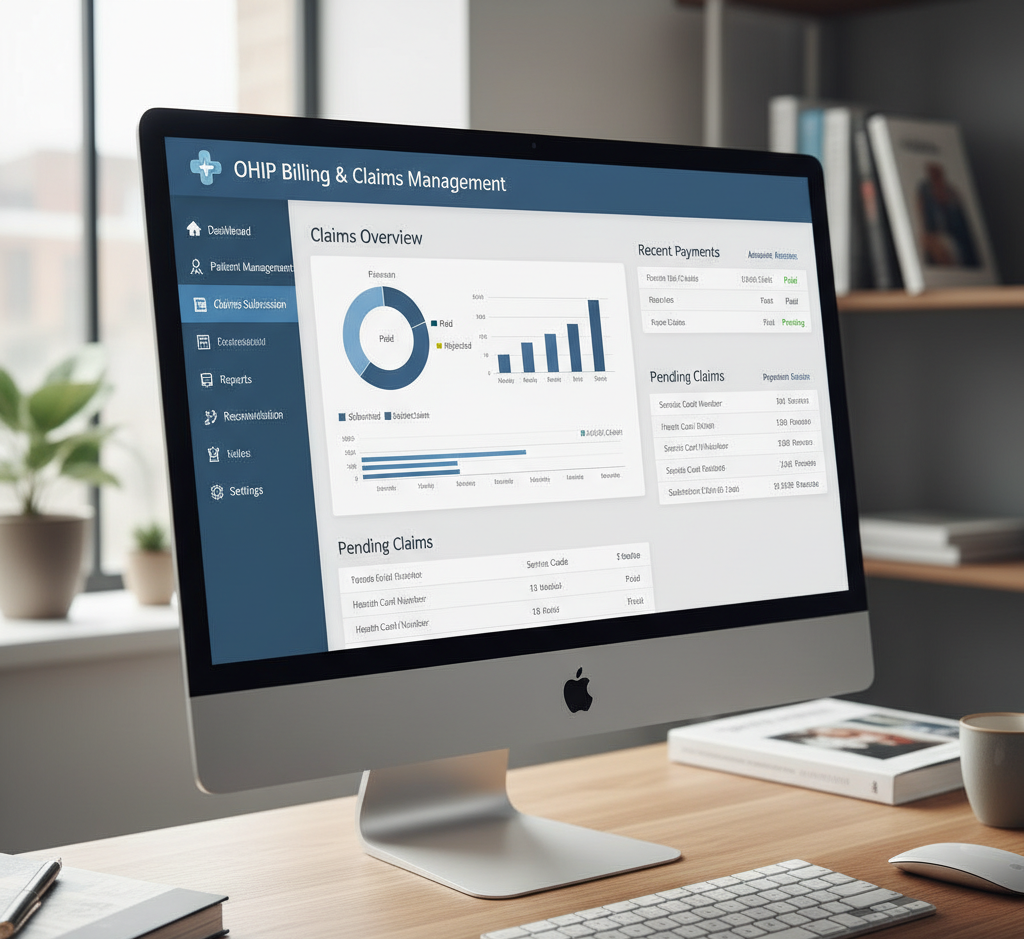
Earlier billing systems provided limited transparency. Today, digital OHIP billing environments offer real-time dashboards that display submission status, rejections, and payment updates.
This visibility enables clinic leadership to monitor revenue cycles more effectively. Reporting tools allow performance analysis across providers and service categories. Improved transparency strengthens financial planning and operational accountability.
As clinics expand, OHIP billing complexity increases. Multi-provider environments require structured oversight to ensure consistent coding and claim submission across teams.
Modern systems support centralized billing management while allowing provider-specific reporting. This scalability ensures that growing clinics maintain structured workflows without compromising compliance or accuracy.
Regulatory oversight remains central to OHIP billing. Clinics must maintain accurate documentation and organized claim records to support audit readiness.
Digital systems provide audit trails, access controls, and structured reporting, strengthening compliance management. Automated validation checks further reduce risk by identifying discrepancies before submission.
The future of OHIP billing in Ontario will likely involve deeper system integration, enhanced automation, and expanded reporting capabilities. Clinics will continue prioritizing digital solutions that support compliance and operational visibility.
As submission standards evolve, technology will play a central role in maintaining accuracy and efficiency. The focus will remain on strengthening documentation alignment and reducing administrative friction within billing workflows.
OHIP billing in Ontario has progressed from manual paper forms to integrated digital ecosystems. Today’s clinics require systems that integrate documentation, automation, compliance, and reporting within a single secure framework.
Alembico EMR supports structured OHIP Billing workflows designed for Ontario clinics managing in-house submissions. Clinics seeking improved visibility, compliance readiness, and operational consistency can schedule a demo with Alembico EMR to review how integrated OHIP billing software strengthens billing performance and long-term stability. Contact us today.
Tags: Ohip Billing Software, OHIP in Ontario, OHIP Ontario